
What Type Of Commercial Property Is Most Profitable?
Determining what type of commercial property is most profitable is a fundamental question for property directors, landlords, private investors and commercial asset managers. That’s because profitability in commercial real estate depends on far more than just gross entry yields. It requires evaluating tenant covenant strength, long-term capital appreciation, lease structure and ongoing operational overheads – amongst other factors.
Understanding how different property sectors perform under changing macroeconomic conditions enables owners to optimise cash flow while protecting asset values over the long term.
Understanding Commercial Property
Commercial real estate encompasses several main sectors, including industrial logistics, retail, corporate office and multi-let mixed-use premises. Each sector responds differently to broader economic trends and changing consumer habits, with regulatory shifts also having a key impact.
Planning frameworks play a critical role in overall asset performance and valuation. The introduction of Class E unified various commercial uses under one broad category. This flexible classification covers retail shops, cafes, professional services, corporate offices, medical clinics, crèches and light industrial facilities. The inherent flexibility of Class E premises allows landlords to adapt space swiftly to changing occupier demands without facing lengthy planning delays or administrative barriers. By understanding property classifications, owners can assess conversion options, lower vacancy risks and keep void periods to an absolute minimum.
Factors Contributing To Profitability
Evaluating what type of commercial property is most profitable requires looking beyond simply rental returns. A truly profitable commercial asset relies on several underlying fundamentals:
- Yield versus Capital Growth: High-yielding regional or secondary assets often carry elevated risk. Conversely, lower-yielding prime assets frequently deliver better long-term capital growth and market liquidity over time.
- Tenant Covenant Strength: Creditworthy corporate tenants or government entities minimise default risk, ensuring steady, predictable cash flow during economic downturns.
- Lease Length and WAULT: A long Weighted Average Unexpired Lease Term reduces frequent void risks and limits associated re-letting costs, incentives and legal expenses.
- Occupational Flexibility: Properties that accommodate multiple operational uses attract a broader pool of prospective tenants, driving competitive bidding for leases.
- Operational Expenses: Net initial yields are heavily influenced by service charge recoverability, ongoing maintenance liabilities and Minimum Energy Efficiency Standards compliance.
Analysing Different Types Of Commercial Properties
Different asset classes present distinct risk and return profiles for portfolio owners and commercial property companies.
Industrial and Logistics Units
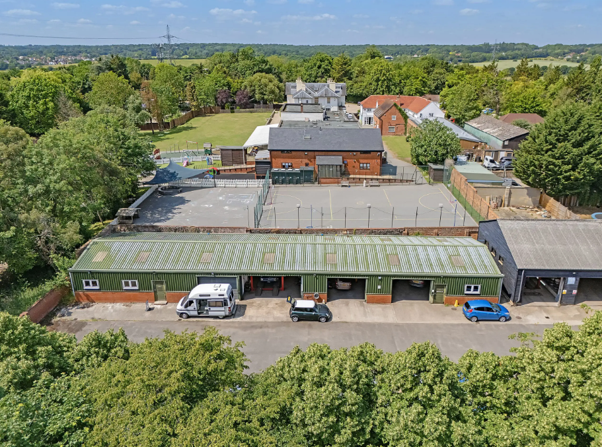
Industrial estates, warehouses, trade counters and distribution centres have consistently performed well across the UK market. Driven by sustained e-commerce demands and supply chain adjustments, these assets offer lower capital expenditure requirements, minimal shared facility maintenance and benefit from long, stable lease agreements.
Retail Assets
Retail returns vary significantly depending on asset format and micro-location. Secondary high street retail requires active, hands-on management, but localised trade parks, neighbourhood parades and convenience spaces holding Class E status maintain steady consumer demand and reliable occupier covenants.
Office Premises
The commercial office sector has shifted decisively toward energy-efficient, flexible accommodation. Prime corporate offices with strong Energy Performance Certificate ratings command premium rents and secure top-tier occupiers, whereas secondary stock often requires strategic repositioning or capital investment to avoid obsolescence.
Mixed-Use Investments
Properties combining commercial space with residential units offer balanced, resilient returns. Multi-let sites operating under Class E allow landlords to reconfigure vacant space swiftly to match local commercial demand, keeping rental income steady throughout broader market fluctuations.
Determining what type of commercial property is most profitable ultimately depends on matching the physical asset to active local demand, securing strong covenants and structuring leases that protect long-term performance.
Benefits Of Diversifying Your Commercial Investments
Relying on a single commercial sector increases exposure to market-specific volatility and regulatory changes. Spreading capital across different asset classes, geographic regions and tenant types strengthens your portfolio resilience.
Smoothing Rental Income Across Cycles
Economic shifts affect sectors differently. While office occupier demand may slow during economic downturns, industrial logistics, trade counters and healthcare-focused Class E spaces often remain stable. A diversified holdings mix maintains continuous overall rental cash flow.
Capitalising on Growth Trends
Strategic diversification enables asset managers to reallocate resources toward outperforming sectors. Shifting focus toward high-demand logistics or flexible local commercial units captures rental growth while mitigating legacy retail risks.
Managing Lease Expiry Profiles
Holding various property types prevents simultaneous lease expiries. Staggering lease end dates across a portfolio provides ample time to market space, secure high-calibre occupiers and avoid sudden drops in portfolio rental income.
Maximising The Value Of Your Holdings
Achieving high returns requires active management of your assets, as well as rigorous compliance checks and clear market insight. Aligning lease terms, addressing EPC standards and utilising flexible planning classes allows landlords to protect capital, lower void risks and maximise net income.
If you are reviewing your portfolio strategy, assessing asset values or considering new acquisitions, our experienced advisors can assist. Contact Claridges Commercial today to find out how our team can help you optimise asset performance and protect your long-term returns.