
The True Cost Of Vacant Commercial Property
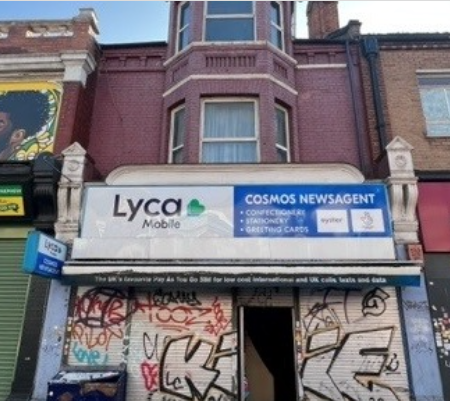
In the professional property market, a vacancy is often viewed simply as a gap in rental income. However, for portfolio landlords and property companies, the reality of a vacant commercial property is far more complex. Beyond the immediate loss of rent, an empty asset incurs a spectrum of hidden costs that can quietly erode capital value and compromise the performance of an entire portfolio.
Managing these risks requires more than just reactive marketing. It demands a sophisticated understanding of asset protection and a proactive strategy to return the property to an income-producing state without compromising on tenant quality.
Understanding Vacant Commercial Property
A property becomes vacant for many reasons – a lease expiry, a tenant relocation or a strategic decision to refurbish. Regardless of the cause, the moment a unit becomes unoccupied, it transitions from an asset to a liability. Offices and retail units left empty are also susceptible to a specific set of operational and regulatory pressures.
Ownership carries a duty of care that does not vanish when the tenant departs. From the perspective of an experienced director, the goal is to bridge this gap as efficiently as possible. This involves balancing the urgency to re-let with the necessity of finding a tenant who supports the long-term viability of the building.
Financial Implications Of Vacancy
The financial drain of a vacant commercial property extends far beyond the loss of rent. The most significant shift occurs when the liability for business rates falls squarely on the landlord. While certain properties may benefit from an initial rate-free period (typically three months for offices and six months for industrial space), once this window closes, the full cost becomes a direct hit to the landlord’s cash flow.
Furthermore, there are the costs of holding the property. These include:
- Business Rates: Once the statutory relief period ends, the landlord is responsible for the full rates liability, which can be a substantial monthly outgoing for a non-performing asset.
- Insurance Premiums: These often rise for unoccupied buildings due to perceived higher risks.
- Security and Maintenance: Preventing squatting, vandalism or environmental decay requires constant investment and monitoring.
- Utility Standing Charges: Maintaining basic heating and light to prevent damp or system failure all costs money, and can add up quickly over longer periods.
A property can quickly transition from making you money to costing you money, so you need to act fast.
Valuing Vacant Commercial Property
When valuing vacant commercial property, a specialist eye is required. A vacancy can negatively impact the yield and the perceived marketability of a building. Investors and lenders often view high void rates as a sign of underlying risk, which can complicate refinancing or disposal plans.
For professional owners, the valuation process must account for the ‘as-is’ state versus the potential income once a secure tenant is in place. If a building, particularly one containing multiple offices, is seen as difficult to let, its capital value may be adjusted downwards. Maintaining the appearance and integrity of the unit during the void period is therefore essential to preserving its market standing.
How To Find Vacant Commercial Property
For those looking to expand their portfolios, knowing how to find vacant commercial property is a key skill. Seasoned investors often look beyond the major portals, seeking out opportunities through professional networks and off-market leads. These quiet instructions are often where the best value is found, as they allow for negotiations away from the noise of the open market.
Experienced commercial agents often connect investors with these opportunities through professional networks and off-market instructions. We understand that a vacancy is often a temporary state that, with the right advice and execution, can be transformed into a high-performing investment.
Mitigating The Costs Of Vacancy
Mitigating the costs of a void period requires a two-pronged approach: protection and proactive disposal. Protecting the asset involves ensuring it remains secure and well-maintained so it is always viewing-ready. A building that looks neglected will struggle to attract the high-quality tenants that portfolio landlords desire.
Proactive disposal involves more than just a listing; it involves strategic judgement. Whether it is considering a change of use or breaking down large offices into smaller, more flexible units, the strategy must be tailored to current market demand. The objective is to reduce the void period without falling into the trap of a low-quality, high-risk letting.
Discuss Your Portfolio Strategy With Claridges
If you are currently managing vacancies or are concerned about upcoming lease expiries, professional advice is paramount. At Claridges, we help commercial property owners make the right decisions and get better outcomes, without wasted time.
Please get in touch with our team to discuss your requirements and find out how we can help you protect and enhance the value of your commercial assets. We will work closely with you to ensure your assets are working as hard for you as possible.
